

Your China SIM Survival Guide: Staying Connected in Xi’an Like a Local
Landing in Xi’an, I was buzzing with excitement—ready to explore the Terracotta Army, lose myself in the Muslim Quarter, and bike along the ancient City Wall. But within an hour of arriving, panic hit: my phone’s international roaming bill was already looking scary, and I couldn’t even scan a QR code to buy a bottle of water. That’s when I realized: a local SIM card isn’t just a “nice-to-have” in China—it’s your lifeline. As a traveler who’s been through the “Great Firewall” and SIM-card struggles, I’m here to break down exactly how to stay connected in Xi’an (and all of China) without the headache. Let’s dive in.
Why You Absolutely Need a Local SIM Card in China
First things first: forget using your home country’s SIM card here. China’s network restrictions and reliance on domestic apps make international roaming almost useless for daily life. Here’s why a local SIM is non-negotiable:
- No Google, No WhatsApp, No Instagram? Yep, China blocks most Western apps. You’ll need a local SIM to use Chinese alternatives like WeChat (for messaging), Weibo (social media), and Baidu Maps (navigation).
- Cash is Dead (Almost): Nearly every shop, restaurant, and even street food stall in Xi’an uses QR codes for payments—and they require a Chinese phone number to link to your WeChat Pay or Alipay. Without one, you’ll be stuck begging strangers to pay for your jianbing (savory crepe).
- Data is King: Whether you’re hailing a Didi (China’s Uber), checking train times on the 12306 app, or watching a “how to order dumplings” tutorial on Douyin (TikTok), you’ll need reliable data. A local SIM gives you fast, affordable 4G/5G access everywhere.
How to Get a SIM Card in Xi’an: Your Step-by-Step Guide
Don’t stress—getting a SIM card in Xi’an is way easier than you think. I did it at the airport, and the whole process took 15 minutes. Here’s your game plan:
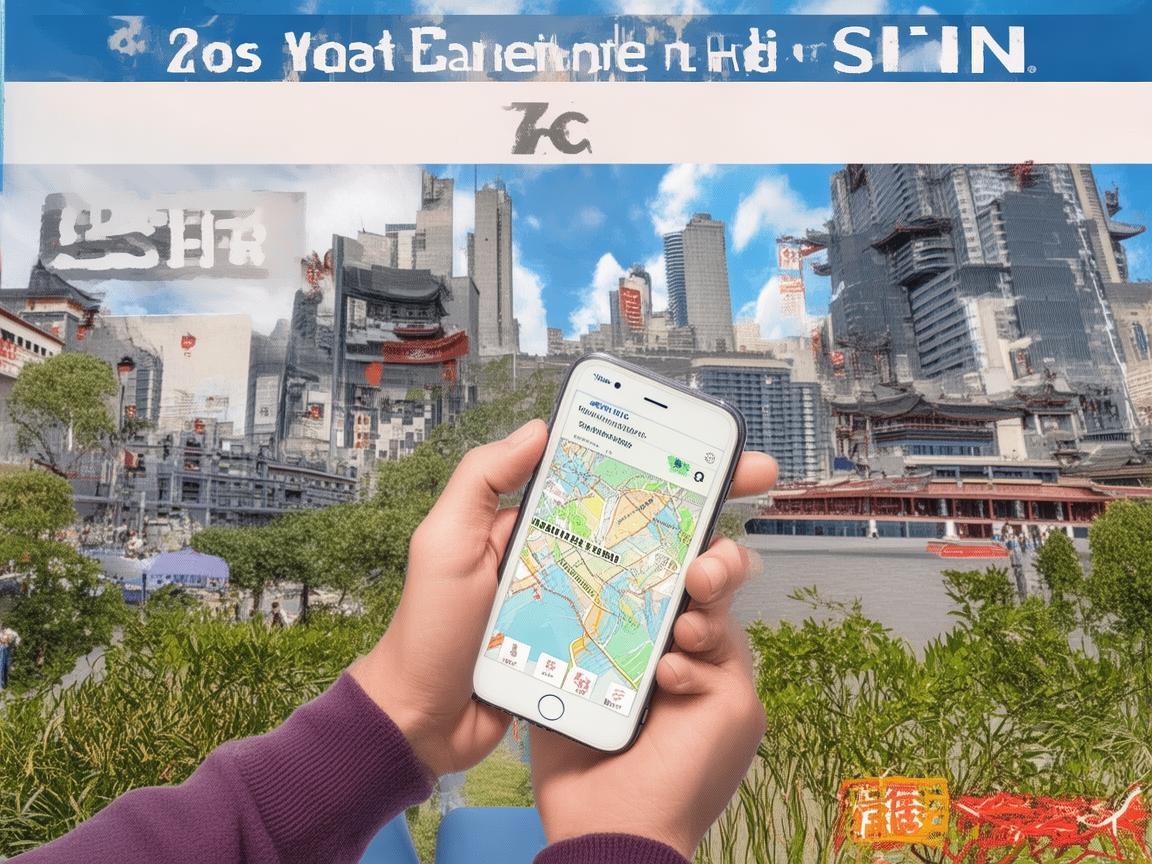
Your China SIM Survival Guide: Staying Connected in Xi’an Like a Local
Step 1: Choose Your Provider (Hint: China Mobile is Your Best Bet)
China has three major telecom providers: China Mobile, China Unicom, and China Telecom. For travelers, China Mobile is the top pick—its network coverage is the most extensive, especially in rural areas around Xi’an (like the Terracotta Army site or Mount Hua). Unicom and Telecom are fine for city use, but Mobile’s signal strength will save you from “no service” nightmares.
Step 2: Where to Buy Your SIM Card
You can grab a SIM card at three main spots in Xi’an:
- Xi’an Xianyang International Airport (XIY): The easiest option. As soon as you exit baggage claim, look for “China Mobile” or “China Unicom” counters (they’re clearly marked). Staff speak basic English and can guide you through the process.
- Downtown Stores: If you’re staying near the Bell Tower or Muslim Quarter, pop into any official China Mobile store. They’re everywhere—just look for the red logo.
- Convenience Stores: 7-Eleven and FamilyMart (common in tourist areas) sometimes sell pre-paid SIMs, but selection is limited. I recommend sticking to official stores for better deals.
Step 3: What Documents You Need (It’s Simple!)
To register a SIM card in China, you’ll need:
- Your Passport: This is mandatory—no exceptions. They’ll scan it for实名制 (real-name registration).
- Temporary Accommodation Registration (Optional): Some stores might ask for your hotel registration form, but I never had to provide it at the airport or major city stores. Your passport is usually enough.
Step 4: Pick a Plan (Tourist-Friendly Options!)
China Mobile offers great pre-paid plans for travelers. Here are the two most popular types—pick what fits your trip length:
Option 1: Tourist “Temporary SIM” (Best for Short Trips)
This is designed for visitors staying 7–30 days. I got this plan at the airport, and it was perfect for my 10-day trip:
- Cost: ~¥100–150 ($15–22 USD)
- What’s Included:
- 10GB–20GB high-speed 4G/5G data (valid for 7–15 days)
- Unlimited domestic calls/texts
- Free access to WeChat, Weibo, Douyin, and other Chinese apps (no VPN needed!)
- How to Activate: Staff will help you insert the SIM and activate it on the spot. You’ll get a confirmation text with your new number.
Option 2: 30-Day Pre-Paid Plan (Best for Longer Stays)
If you’re in Xi’an for a month or more, this plan is more cost-effective:
- Cost: ~¥200–300 ($30–45 USD)
- What’s Included:
- 30GB–50GB high-speed data per month
- Unlimited calls/texts
- Some plans include free access to international apps (like WhatsApp) for 1–2 hours daily (but don’t rely on it—stick to Chinese apps).
Step 5: Insert and Test Your SIM
Once your SIM is activated, pop it into your phone (if your phone is locked to your home carrier, you’ll need to unlock it first—check with your provider before leaving home!). Open WeChat or Baidu Maps to test the connection. If it works, you’re ready to roll!
Key Tips for Using Your Chinese SIM Card
Getting the SIM is half the battle—here’s how to avoid common pitfalls and use it like a local:
Download These Apps Before You Leave Home
Some apps (like WeChat) require a Chinese phone number to sign up. Download them now and create accounts with your international number—you can link them to your new Chinese SIM later. Must-have apps:
- WeChat: For messaging, payments, and hailing taxis.
- Alipay/WeChat Pay: For everything—food, transport, souvenirs.
- Baidu Maps: Google Maps doesn’t work in China; Baidu Maps is your go-to for navigation.
- Didi: China’s Uber—cheaper and more reliable than taxis.
- 12306: For booking high-speed trains (essential if you’re planning trips to Beijing or Shanghai).
Top Up Your Data (Don’t Wait Until It’s Gone!)
Most pre-paid plans auto-renew, but if you run out of data, you can top up easily:
- At Stores: Go to any China Mobile store and ask to “充值” (chōngzhì—top up). Bring your passport and cash/Alipay.
- Via WeChat: Add your SIM number to WeChat, then use the “Wallet” feature to top up (ask a local to help if you’re stuck).
If Your Signal Drops… Here’s What to Do
Xi’an’s network is solid, but you might lose signal in remote areas (like the wild goose pagoda or nearby mountains). If this happens:
- Restart Your Phone: Fixes 90% of minor glitches.
- Switch Network Mode: Go to “Settings” > “Mobile Networks” > “Preferred Network Type” and switch to “4G/3G/2G Auto.”
- Ask a Local: Chinese travelers are used to signal issues—they’ll point you to the nearest “信号塔” (xìnhàotǎ—signal tower).
Don’t Lose Your SIM Card!
Registering a new SIM requires your passport, so losing it is a hassle. Keep your old SIM (flight mode!) for emergency calls, and store the new one in a SIM card holder if your phone has a dual-SIM slot.
My Xi’an “Connected” Itinerary: How I Used My SIM
To give you a real-world example, here’s how my SIM card made my Xi’an trip seamless:
- Day 1 (Airport Arrival): Used Baidu Maps to navigate to my hotel near the Muslim Quarter. Bought roujiamo (Chinese hamburger) at a street stall by scanning a QR code with WeChat Pay.
- Day 2 (Terracotta Army): Hailed a Didi to the site (cheaper than a taxi). Used WeChat to call my guide when I got lost (no, the “exit” signs aren’t always clear!).
- Day 3 (City Wall Bike Ride): Shared real-time location with my friend via WeChat so we didn’t get separated. Ordered bubble tea mid-ride using Alipay.
- Day 4 (Mount Hua Hike): Had full 4G signal on the mountain (thanks, China Mobile!), so I could post photos to Douyin and text my family I was safe.
Final Thoughts: A SIM Card is Your Key to Xi’an
By the end of my trip, my Chinese SIM card felt like a second passport. It turned stressful moments (like “How do I pay for this bus?”) into easy wins, letting me focus on what matters: exploring Xi’an’s history, eating way too much paomo (bread soup), and chatting with locals.
So, before you fly to Xi’an, add “buy local SIM” to your to-do list. It’s cheap, easy, and will make your trip 100x smoother. Trust me—once you’re sipping xiangjiao (banana milk tea) while scrolling WeChat in a bustling night market, you’ll thank me.
Happy travels—and stay connected! 📱✨
Xi’an Airport Transfer Service
Private English-speaking driver service in Xi’an operated directly by Bruce Zhang. 24/7 airport pickup and hotel transfer for foreign travelers.
Helpful for Your Trip in Xi’an
Solved: My China SIM Card Nightmare in Xi’an (and How You Can Fix Yours Fast!)
2026-06-03Traveling Xi’an: A Tourist’s Guide to Staying Connected and Saving Money on China SIM Packages
2026-06-03China SIM Roaming Setup: A Traveler’s No-Stress Guide
2026-06-03Reactivate Your China SIM: A Traveler’s Guide to Staying Connected in Xi’an
2026-06-03Xi’an on a Budget: My Essential Pocket WiFi Tips for Travelers
2026-06-03A Traveler’s Survival Guide to Xian: Connectivity, Ancient Walls, and Unforgettable Eats
2026-06-03Navigating China’s SIM Verification as a Tourist: My Xi’an Survival Guide
2026-06-03Xi’an Travel Guide: How to Score a Reliable China SIM Shop (and Why It’s a Lifesaver)
2026-06-03Your China SIM Survival Guide: Staying Connected in Xi’an Like a Local
2026-06-02Your Lifeline in Xi’an: Why a China SIM Card is a Travel Game-Changer
2026-06-02