

Xi’an Tap Pay: A Tourist’s Guide to Navigating the Ancient City with a Tap
I landed in Xi’an last April, my backpack stuffed with guidebooks and a roll of yuan—convinced cash was king in this 3,000-year-old city. Big mistake. By my second day, I’d fumbled for coins at a street food stall, gotten stuck in a taxi line because the driver couldn’t break my 100-yuan bill, and spent 15 minutes arguing with a vending machine that only accepted “local payment methods.” That’s when a local student, overhearing my struggle, laughed and said, “Ditch the cash—Xi’an runs on tap pay now.”
Over the next week, I learned she was right. From the Terracotta Army to the Muslim Quarter’s night markets, tap pay (China’s mobile payment system) became my lifeline. If you’re heading to Xi’an, here’s how to master it—so you can spend less time worrying about money and more time devouring roujiamo or marveling at the Big Wild Goose Pagoda.
First, What Is Tap Pay?
Tap pay isn’t one app—it’s two giants: Alipay and WeChat Pay. Think of them as PayPal + Uber + all your loyalty cards rolled into one. Most locals use both, but for tourists, Alipay (backed by Alibaba) is slightly more traveler-friendly, especially if you link an international credit card.
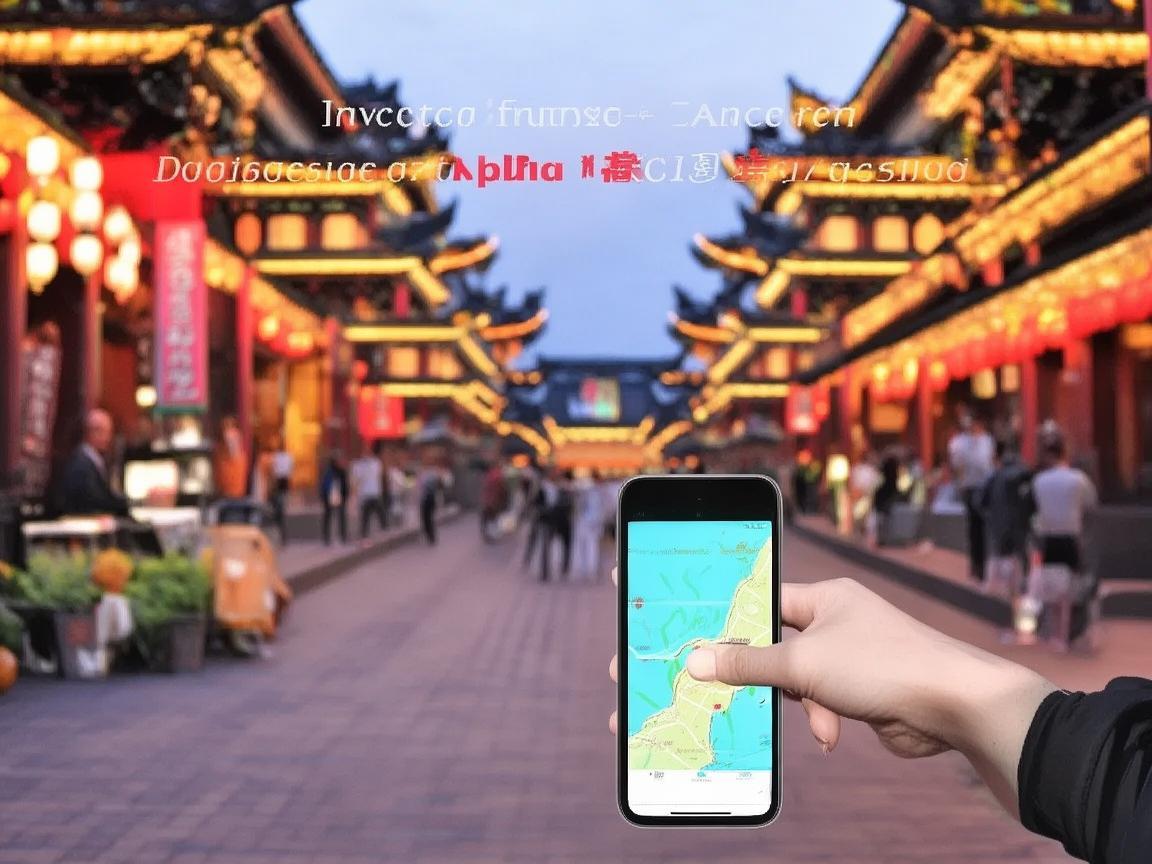
Xi’an Tap Pay: A Tourist’s Guide to Navigating the Ancient City with a Tap
Here’s the magic: Instead of swiping a card or handing over cash, you just scan a QR code (or have a vendor scan yours) to pay. For anything from a 5-yuan bowl of noodles to a 200-yuan taxi ride, it’s instant, secure, and—best of all—no change to carry.
Step 1: Set Up Before You Go (Trust Me, Do This)
Xi’an’s tourist hotspots do accept cash, but small vendors, street food carts, and even some metro ticket machines will give you a blank stare if you pull out bills. Save yourself the headache and set up tap pay before you land.
For Alipay:
- Download the app: Search “Alipay” in your phone’s app store (it’s available globally).
- Sign up: Use your phone number or email—no Chinese ID needed for basic use.
- Add an international card: Go to “Me” > “Wallet” > “Payment Methods” > “Add Bank Card.” Enter your Visa, Mastercard, or Amex. (I used my U.S. Visa—worked like a charm.)
- Enable “Scan to Pay”: This is your main feature. On the home screen, tap the blue “Scan” icon (it looks like a QR code).
For WeChat Pay:
If you already use WeChat (most people do for messaging), it’s even easier:
- Go to “Me” > “Services” > “Wallet.”
- Tap “Payment Methods” > “Add Bank Card” to link your international card.
- For paying, tap the “+” icon on WeChat’s home screen and select “QR Pay.”
Pro tip: Alipay has an “English” language option (go to “Me” > “Settings” > “Language”). WeChat is less intuitive for English speakers, so I stuck with Alipay most of the time.
Step 2: Using Tap Pay in Xi’an—Your Scenarios
Once you’re in Xi’an, tap pay will feel like second nature. Here’s where you’ll use it most:
Transportation: Skip the Ticket Lines
Xi’an’s metro and buses are efficient, but buying tickets with cash can mean long queues—especially at peak hours (8–9 AM, 5–6 PM). Tap pay cuts that wait to 10 seconds.
- Metro: Open Alipay, tap “Scan,” and look for the “Metro” QR code scanner at the ticket gate. Hold your phone over the scanner—beep! You’re in. No need to buy a physical card, and it automatically calculates fares based on distance. I used this daily from my hotel near the Bell Tower to the Terracotta Army; saved me at least 20 minutes total.
- Buses: Same process—scan the QR code at the front door. The driver will confirm the fare on their screen.
- Taxis/Rideshares: Most taxis accept Alipay/WeChat. Just tell the driver you’ll pay by app (they’ll point to a QR code on the dashboard). For rideshares, Didi (China’s Uber) is integrated with both apps—just link your payment method in the Didi app.
Note: A few older taxi drivers might only take cash, but in my week in Xi’an, I only met one. Always have a 50-yuan bill handy just in case, but tap pay works 95% of the time.
Food: From Street Stalls to Michelin-Starred Restaurants
Xi’an is a foodie paradise, and tap pay makes indulging effortless.
- Street food: The Muslim Quarter’s night markets are a must—but carrying cash there is a nightmare. I learned this the hard way on Day 1: tried to buy a tanghulu (candied hawthorns) and had to dig through my bag for coins. The next day, I paid with Alipay—just show the vendor your “Scan to Pay” QR code, they scan it with their phone, and done. Even better: most food stalls here have Alipay/WeChat stickers plastered on their carts, so you can’t miss them. I tried liangpi (cold skin noodles), yangrou paomo (bread soup), and roujiamo (Chinese hamburger)—all paid with a tap. No fumbling, no waiting for change.
- Restaurants: From hole-in-the-wall baozi shops to upscale places like De Fa Chang (famous for biangbiang noodles), just ask “Can I pay by Alipay?” (Point to your phone if they don’t understand English). They’ll bring a QR table tent—scan and pay.
Pro tip: Small vendors (like the tanghulu lady) might prefer WeChat because it’s more common among locals, but Alipay works almost everywhere. If one app fails, try the other!
Attractions: Tickets, Souvenirs, and More
Xi’an’s top attractions are tap-pay friendly, which is a game-changer for skipping ticket windows.
- Entrance tickets: The Terracotta Army, Big Wild Goose Pagoda, and City Wall all let you buy tickets via Alipay. Just look for “Scan to Pay” signs at the entrance—no need to wait in line for the “Foreign Tourist” window (which often has longer queues). I bought my Terracotta Army ticket in 2 minutes this way; the cash line was 30 people long!
- Souvenirs: At the Muslim Quarter’s souvenir stalls or the Shaanxi History Museum’s gift shop, tap pay is king. I bought a small terracotta warrior replica and a silk scarf—both paid with a scan.
- Extras: Even things like renting a bike on the City Wall (30 yuan/hour) or buying water at a convenience store (7 yuan/bottle) work with tap pay. Just look for the QR code!
Daily Necessities: Convenience Stores, Pharmacies, Vending Machines
- 7-Eleven/Walmart: Xi’an has plenty of convenience stores, and all accept tap pay. I bought snacks, water, and phone chargers—just scan and go.
- Pharmacies: Needed painkillers one night? Went to a local pharmacy, showed my Alipay QR code, and paid in 5 seconds.
- Vending machines: Some older machines only take cash, but new ones (especially in metro stations or malls) have Alipay/WeChat QR codes. I used one to buy a bottle of water at the train station—worked perfectly.
Step 3: Common Hiccups (and How to Fix Them)
Tap pay is smooth, but you might hit a snag or two. Here’s how to handle them:
“Payment Failed”? Check Your Internet
Most tap pay transactions require internet (Wi-Fi or data). If you’re in a remote area (like the Terracotta Army’s parking lot), your signal might be weak.
- Fix: Enable “Offline Pay” in Alipay (go to “Me” > “Settings” > “Offline Payment” and set a limit, like 100 yuan). This lets you pay without internet—just show the QR code, and the vendor will scan it. The payment will process when you’re back online.
Vendors Only Take WeChat (or Alipay)
Some small, family-run stalls might prefer one app over the other. For example, a grandma selling handmade jianbing (Chinese crepes) might only use WeChat because her kids set it up for her.
- Fix: Carry both apps! I had WeChat as a backup—never needed it, but it’s good to have.
“Foreign Card Not Supported”? Try a Virtual Prepaid Card
A few vendors (rarely) might decline international cards due to “high fees.” If this happens:
- Fix: Get a Alipay “Tourist Card” or a virtual prepaid card (like Wise or Revolut) in yuan. I used Wise—loaded 500 yuan, and it worked everywhere.
Phone Battery Dies? Carry a Power Bank
Tap pay is useless if your phone’s dead. I learned this the hard way when I forgot my power bank and had to use cash for a taxi.
- Fix: Bring a portable charger—small, cheap, and a lifesaver.
Cash vs. Tap Pay: The Honest Breakdown
| Scenario | Tap Pay | Cash |
|---|---|---|
| Speed | Instant (2–5 seconds) | Slow (need to count, wait for change) |
| Convenience | No wallet, no coins | Risk of losing cash, bulky |
| Language Barrier | No need to talk—just show QR code | Might need to gesture or use a translator |
| Reliability | Works 95% of the time | Works 100%, but fewer vendors accept it |
| Emergency Backup | Offline pay (if enabled) | Always works (if you have it) |
Final Tips for a Smooth Tap Pay Experience
- Start small: Test tap pay at a convenience store first (buy a bottle of water) to get the hang of it.
- Keep cash for emergencies: Carry a 200-yuan bill (in small bills, like 20s or 50s) for taxis or places with no signal.
- Enable notifications: So you know when a payment goes through (avoid overspending!).
- Trust the locals: If you’re stuck, ask a young person—they’ll happily help you set up tap pay.
By the end of my trip, I hadn’t touched my cash except for that one 200-yuan bill. Tap pay made Xi’an feel accessible—no stress, no language barriers, just me, my phone, and endless roujiamo. If you’re heading to Xi’an, don’t be like me—skip the cash drama and embrace the tap. The ancient city’s magic is way more fun when you’re not fumbling for coins.
Happy travels—and happy tapping!
Xi’an Airport Transfer Service
Private English-speaking driver service in Xi’an operated directly by Bruce Zhang. 24/7 airport pickup and hotel transfer for foreign travelers.
Helpful for Your Trip in Xi’an
Traveling Xi’an as a Tourist: PayPal and Other Payment Tips You Need to Know
2026-06-03Xi’an Travel: When Your Foreign Card Gets Rejected—Practical Tips to Save Your Trip
2026-06-03UnionPay in China: A Tourist’s Practical Guide from Xi’an
2026-06-03Xi’an Unlocked: A Traveler’s Love Letter to Scan-to-Pay
2026-06-03Navigating Xi’an: A Traveler’s Guide to Payments, Registration, and Practical Tips
2026-06-03Navigating KFC Payments in China: A Traveler’s Practical Guide
2026-06-03Xi’an for Tourists: A Practical Guide to Payments (Learn from Expats!)
2026-06-03Xi’an Theme Park Payment: A Tourist’s Practical Guide (From Someone Who Almost Paid Too Much!)
2026-06-02Navigating Xian: A Foreigners Guide to the Best Way to Carry Money in China
2026-06-02Xi’an Travel Made Easy: My NFC Pay Tips for Tourists
2026-06-02