

Xi’an Payment Methods: A Traveler’s Honest Guide to Spending Smart
Landing in Xi’an last month, I was excited but a little nervous—mostly about money. I’d heard China was a cashless wonderland, but as a foreign tourist with a limited grasp of Mandarin, I wondered: How do I actually pay for things here? After two weeks navigating street markets, subway rides, and late-night noodle stalls, I’ve got the real talk on Xi’an payment methods. Here’s what you actually need to know, no fluff.
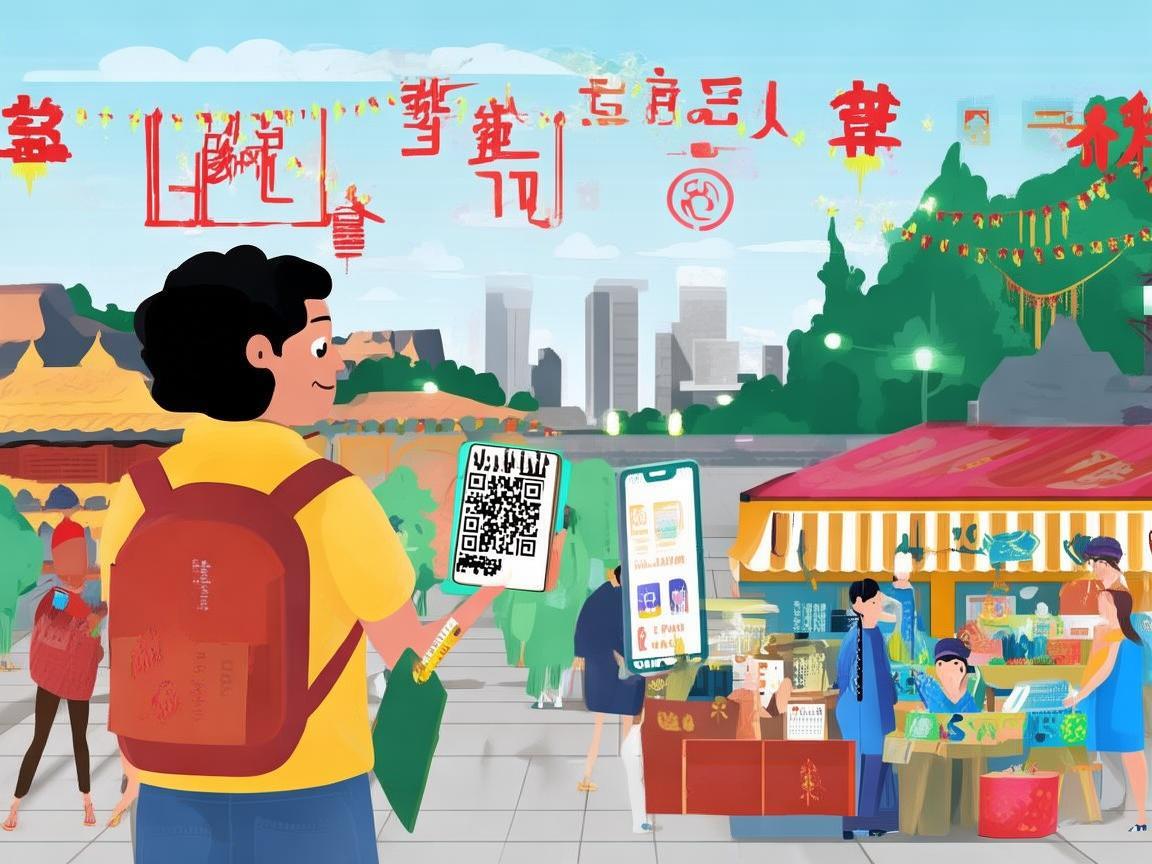
Xi’an Payment Methods: A Traveler’s Honest Guide to Spending Smart
First Things First: Download These Apps (Before You Land!)
Forget carrying a wallet thick with yuan—almost everything in Xi’an runs on two apps: Alipay and WeChat Pay. Think of them as your all-in-one bank, ticket scanner, and coupon wallet. But here’s the catch: you need a Chinese phone number to register fully. If you don’t have one (like me), don’t panic—you can still use them with a foreign bank card, just with a few extra steps.
How to set them up:
- Alipay: Download the app, tap “Sign Up,” and choose “Register with Foreign Mobile.” Enter your passport number, upload a photo of your face, and link your international credit/debit card (Visa/Mastercard work). You’ll get a “virtual” account, which lets you pay in most places.
- WeChat Pay: Similar process—open WeChat, go to “Me” → “Services” → “Wallet” → “Payment Methods” → “Add Bank Card.” Enter your card details, and verify with a text from your bank.
Pro tip: Alipay is slightly more tourist-friendly for big purchases (like train tickets), while WeChat Pay dominates small shops and street food. Have both.
Paying for Transport: Subways, Buses, and Taxis
Xi’an’s public transport is efficient, but cash is not king here.
Metro & Bus:
- Scan QR codes: Open Alipay or WeChat Pay, search for “乘车码” (chéng chē mǎ, “ride code”). Alipay’s “Transport Code” or WeChat’s “Bus Code” will pop up—a green QR code you just flash at the scanner when boarding. No need to buy tickets!
- Physical cards: If you prefer, buy a “长安通” (Cháng’ān Tōng) card at any metro station (¥20 deposit + however much you want to load). It works on buses and subways, but honestly, the QR code is faster—no fumbling with cards.
Taxis & Didi:
- Taxis: Most take cash, but some accept Alipay/WeChat. Always ask: “Can I pay by Alipay?” (能支付宝吗?). If they nod, just show them your QR code—they’ll scan it with their own phone.
- Didi (China’s Uber): Download the app, link your payment method (Alipay/WeChat/credit card), and ride. It’s cheaper than taxis and drivers always accept digital payments.
Eating & Drinking: From Street Stalls to Michelin-Starred Restaurants
Xi’an is a food paradise, and paying for it is surprisingly smooth.
Big Restaurants (Sit-Down):
- Nearly all accept Alipay/WeChat. When the bill comes, they’ll hand you a QR code table tent—scan it, confirm the amount, and pay. Some high-end places take credit cards, but don’t rely on it.
Street Food & Small Eateries:
- This is where WeChat Pay shines. At Muslim Quarter’s night market or Renmin Road’s snack stalls, vendors hold up a laminated QR code. Just open WeChat, scan, and pay. I once bought roujiamo (Chinese hamburgers) from a grandma who didn’t speak a word of English—she pointed to her WeChat code, I scanned, done.
- Cash backup: A few tiny stalls (especially in rural areas or very local neighborhoods) might only take cash. Carry some small bills (¥10, ¥20) just in case. I never needed more than ¥100 in cash total for two weeks.
Drinks:
- Convenience stores (7-Eleven, FamilyMart) and bubble tea shops (Heytea, Nayuki) all use QR codes. Even vending machines take Alipay/WeChat—just scan the code on the machine.
Shopping: Markets, Malls, and Souvenirs
Tourist Markets (Muslim Quarter, Big Wild Goose Pagoda Area):
- Bargaining is expected here, but payment is digital. Vendors will quote a price, you counter, and if you agree, they’ll show you their WeChat/Alipay code. I bought a silk scarf for ¥150 (down from ¥300) by scanning a QR code.
- Warning: Some “helpful” strangers might offer to “help you pay” in exchange for a commission—never do it. Always use your own app to scan the vendor’s code.
Malls & Department Stores:
- Places like Century Ginwa or SKP accept credit cards (Visa/Mastercard), but Alipay/WeChat are faster. I bought a sweater at a mall—scanned a QR code at the checkout, paid in 10 seconds, versus the 5 minutes it would’ve taken to insert a card.
Online Shopping (If You Must):
- If you need to buy something last-minute (like a charger), Taobao (Alipay’s sister app) delivers to your hotel. But honestly, you won’t need it—Xi’an has everything in stores.
Emergencies: What If Your Phone Dies or You’re Out of Data?
I panicked the first day when my phone hit 10% battery—but Xi’an has solutions.
Low Battery:
- Most 7-Eleven stores and malls have “共享充电宝” (shared power banks). You scan a QR code to borrow one (¥3-5/day), and return it to any drop-off spot (they’re everywhere—metro stations, restaurants, hotels).
- Hotels often lend out power banks for free—just ask at reception.
No Data/Wi-Fi:
- Alipay and WeChat Pay work offline! Once you’ve paid online before, the QR code stays on your app, and you can scan it even without internet. I tested this in a subway tunnel (no signal) and it worked like a charm.
- Backup: Carry a physical Chinese SIM card (China Unicom or China Mobile)—they’re cheap (¥30-50 for 10GB data) and sold at airport kiosks. It’ll make using maps and apps way easier.
Cash: How Much to Carry (and Where to Get It)
You don’t need much cash, but a little goes a long way.
How Much?:
- I carried ¥200 in small bills (¥10, ¥20, ¥50) for the entire trip. Used it once for a bus ride that didn’t take QR codes and once for a tip at a hotel. That’s it.
Where to Exchange?:
- Airports: Xi’an Xianyang International Airport has exchange counters—rates are okay, but convenient if you arrive late.
- Banks: Bank of China or ICBC branches in the city center (near Bell Tower or Muslim Quarter) offer better rates. Bring your passport—they’ll ask for it.
- ATMs: Use Bank of China ATMs—they accept foreign cards and have low fees. I pulled ¥100 once when I needed cash fast.
Final Tips: Avoiding Scams & Staying Safe
- QR Code Scams: Never scan a QR code from a stranger who approaches you (e.g., “I’ll give you a discount if you scan this”). Only scan codes from official vendors (restaurant tables, store counters).
- Fake Bills: If you use cash, check for counterfeit bills—feel the paper (it’s rough, not smooth) and look for the watermark.
- “Zero Payment” Trick: Some vendors might say “No charge!” and then scan your code when you’re not looking. Always double-check that you’re the one scanning their code.
The Bottom Line
Xi’an is incredibly tourist-friendly when it comes to payments. With Alipay and WeChat Pay, you can cover 95% of your expenses without cash. Just download the apps before you go, link your card, and keep a small emergency stash of yuan. By day three, I was paying for bus rides, street food, and souvenirs like a local—no stress, no confusion.
So come hungry, come curious, and don’t worry about wallets. In Xi’an, your phone is all the wallet you need. Happy travels!
Xi’an Airport Transfer Service
Private English-speaking driver service in Xi’an operated directly by Bruce Zhang. 24/7 airport pickup and hotel transfer for foreign travelers.
Helpful for Your Trip in Xi’an
Traveling Xi’an as a Tourist: PayPal and Other Payment Tips You Need to Know
2026-06-03Xi’an Travel: When Your Foreign Card Gets Rejected—Practical Tips to Save Your Trip
2026-06-03UnionPay in China: A Tourist’s Practical Guide from Xi’an
2026-06-03Xi’an Unlocked: A Traveler’s Love Letter to Scan-to-Pay
2026-06-03Navigating Xi’an: A Traveler’s Guide to Payments, Registration, and Practical Tips
2026-06-03Navigating KFC Payments in China: A Traveler’s Practical Guide
2026-06-03Xi’an for Tourists: A Practical Guide to Payments (Learn from Expats!)
2026-06-03Xi’an Theme Park Payment: A Tourist’s Practical Guide (From Someone Who Almost Paid Too Much!)
2026-06-02Navigating Xian: A Foreigners Guide to the Best Way to Carry Money in China
2026-06-02Xi’an Travel Made Easy: My NFC Pay Tips for Tourists
2026-06-02