

Visiting Xi’an’s Terracotta Army: A Practical Guide for Budget-Conscious Travelers
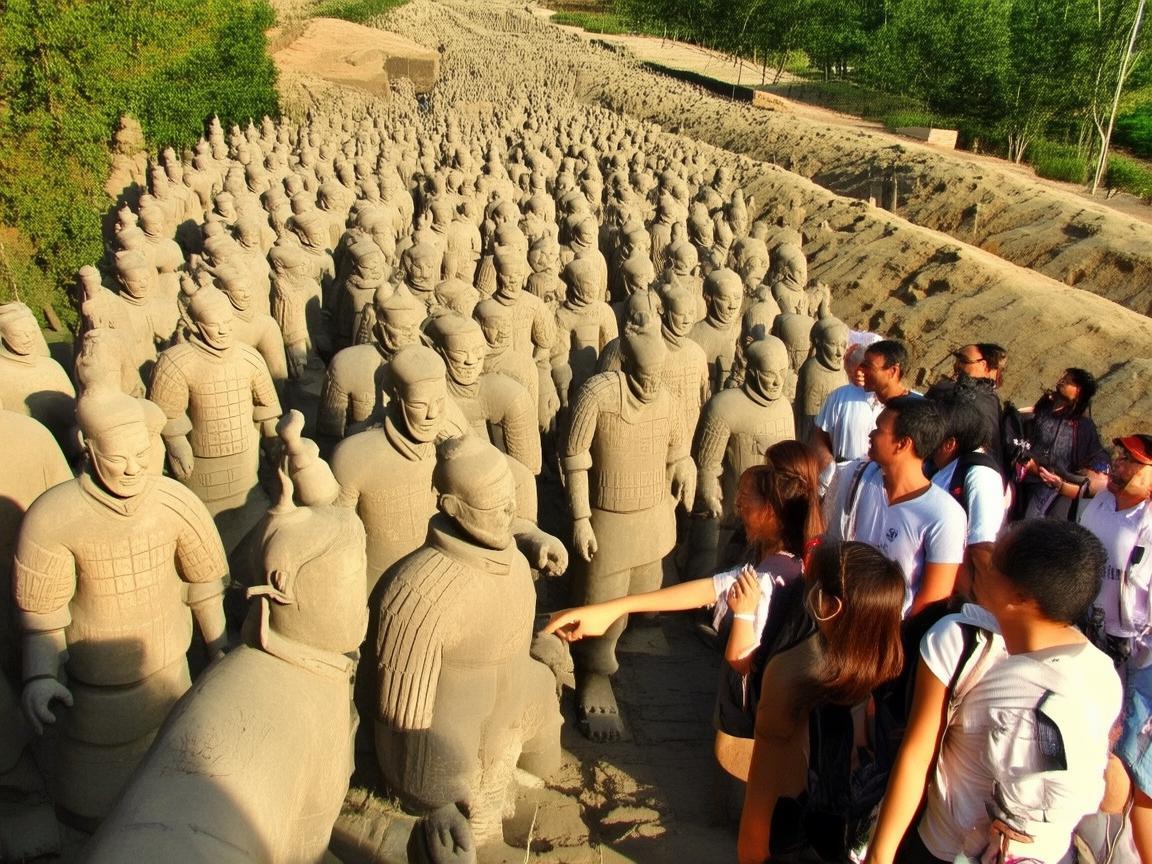
Hey there! If you’re planning a trip to Xi’an, chances are the Terracotta Army is top of your list— and it should be! Standing face-to-face with thousands of life-sized clay soldiers, each with unique facial features, is a truly unforgettable experience. But as I learned during my recent trip, navigating the logistics (especially the costs!) can be a bit overwhelming if you’re not prepared. So, I’m breaking down everything I wish I’d known beforehand, from ticket prices to smart spending tips, so you can focus on soaking in the history without stressing your wallet.
Visiting Xi’an’s Terracotta Army: A Practical Guide for Budget-Conscious Travelers
First Things First: Getting to the Terracotta Army
The Terracotta Army (officially the Qin Shi Huang Mausoleum Site Museum) is about 40 km east of Xi’an’s city center. You’ve got a few options to get there, and trust me, choosing the right one can save you both time and money.
Option 1: Metro (My Top Pick for Budget Travelers)
Take Line 9 (purple line) from “Xi’an North Railway Station” or “Wulukou” to “Huaqing Palace Station” (华清宫). It’s about a 30-minute ride and costs just 4-6 RMB. From Huaqing Palace Station, follow the signs to the bus stop—you’ll see plenty of “游5 (Tour 5)” buses (green and white, with “兵马俑” signs) that take you straight to the museum entrance. The bus ride is another 15 minutes and costs 2 RMB. Total cost: ~6 RMB per person. Super cheap, and no traffic jams!
Option 2: Direct Tourist Bus
If you’re staying near the Bell Tower or Muslim Quarter, look for the “游5” bus starting at “East Gate” (东门) or “Xi’an Railway Station.” It’s a direct route, but it can get stuck in traffic during peak hours (10 AM-2 PM), adding 30+ minutes to your trip. Still, it’s convenient if you don’t want to transfer metro lines.
Option 3: Taxi/Didi (Ride-Hailing)
Using Didi (China’s Uber) is pricier but fastest if you’re short on time. From downtown (e.g., near the Bell Tower), expect to pay 50-80 RMB each way, depending on traffic. Pro tip: Agree on the fare with the driver beforehand if you’re taking a regular taxi, as some may overcharge tourists.
Tickets: How Much, Where to Buy, and What’s Included
This is the big one—let’s talk about paying for entry. The Terracotta Army isn’t cheap, but knowing the ticket types and where to buy can help you avoid scams and overpaying.
Standard Ticket Price (2024 Update):
- Adult: 120 RMB
- Student (with valid ID): 60 RMB (half price—bring your student card!)
- Children under 1.4m (4’7”): Free
What’s Included? The standard ticket covers all three pits (the main attractions!), the Exhibition Hall of Bronze Chariots and Horses (super cool—life-sized bronze carriages!), and the Qin Shi Huang Mausoleum Site (the earthen mound where the emperor is buried, though you can’t go inside).
Where to Buy Tickets?
- Official Website/App: The best way to avoid long queues! Search for “秦始皇帝陵博物院” (Qin Shi Huang Mausoleum Site Museum) on WeChat or their official website (http://www.bmy.com.cn). You can book 1-7 days in advance and pay via Alipay or WeChat. Just scan your QR code at the gate—no need to print tickets!
- On-Site Ticket Office: If you forget to book in advance, there are ticket windows at the entrance, but expect to wait 20-40 minutes during peak season (March-May, September-November).
Skip the “Package Deals” (Unless You’re Sure):
Outside the museum, touts might try to sell you “combo tickets” including things like “Terracotta Army + Hot Springs” or “Terracotta Army + Tang Dynasty Show.” These are often overpriced (200-300 RMB more) and include low-quality add-ons. Stick to the official ticket unless you research and want the extras.
Inside the Museum: What to See (and Where to Spend Extra Wisely)
Once you’re in, the museum is huge—wear comfy shoes! Here’s a logical route to follow so you don’t miss anything:
Pit 1 (The Main Attraction)
Start here—this is the most impressive pit, with over 6,000 soldiers, horses, and chariots arranged in battle formation. The viewing platform lets you look down over the entire pit, and it’s easy to see why people call it the “Eighth Wonder of the World.” Spend at least 30 minutes here; the scale is breathtaking.
Pit 2 & Pit 3
Pit 2 is smaller but has more variety—infantry, cavalry, and archers—plus some partially excavated soldiers showing how they’re restored. Pit 3 is the smallest but thought to be the command center, with higher-ranking officers. Together, they give you a fuller picture of the Qin army’s structure.
Exhibition Hall of Bronze Chariots and Horses
Don’t skip this! It’s a separate building near the pits, housing two life-sized bronze chariots pulled by four horses each. The detail is insane—even the tiny reins and decorations are perfect. It’s included with your standard ticket, but it’s often overlooked (big mistake!).
Qin Shi Huang Mausoleum Site
This is just the earthen mound where the emperor is buried. There’s nothing to see inside (it hasn’t been excavated yet), but it’s worth a quick photo to stand where China’s first emperor is laid to rest.
To Hire a Guide or Not? That Is the Question
The Terracotta Army has a rich history—emperors, dynasties, archaeological discoveries—and a guide can really bring it to life. But is it worth the extra cost?
Official Guides:
- Cost: 200 RMB for a 1-hour tour (for up to 10 people). You can hire them at the “Guide Service Desk” near the entrance.
- Pros: They’re trained, speak good English, and know all the best spots (and photo angles!). They’ll explain the history of each pit, how the terracotta warriors were made, and even fun facts (like how each warrior’s face is unique).
- Cons: If you’re traveling solo or with one other person, 200 RMB might feel steep.
Audio Guides (Great Alternative!):
- Cost: 50 RMB (deposit 100 RMB, refundable when you return it). Available in English, Japanese, Korean, and more.
- Pros: Cheaper than a human guide, and you can go at your own pace. They have detailed commentary for each pit and even interviews with archaeologists.
- Cons: No one to answer questions on the spot.
DIY with Apps:
If you want to save even more, download a free audio tour app like “Trip.com” or “Mafengwo” (马蜂窝). They have decent English commentary, though it’s not as in-depth as the official audio guide.
My Recommendation: If you’re a history buff, splurge for the official guide (split the cost if you’re with friends!). If you’re just there for the “wow” factor, the audio guide is totally worth 50 RMB.
Food, Souvenirs, and Hidden Costs
You’ll probably spend 3-4 hours at the museum, so plan for snacks and drinks. Here’s the lowdown on on-site costs:
Food:
- There’s a cafeteria near the entrance with basic meals (noodles, rice, drinks). A bowl of noodles costs 20-30 RMB, and a bottle of water is 5 RMB.
- Pro tip: Bring your own water and snacks from Xi’an! A big bottle of water costs 2-3 RMB in the city, vs. 5 RMB at the museum.
Souvenirs:
- The museum has several souvenir shops. Prices are high— a small terracotta warrior replica costs 50-100 RMB, and a larger one (15-20 cm) is 200-500 RMB.
- Bargain! You can haggle a little (10-20% off), but don’t expect huge discounts. For cheaper souvenirs, wait until you get back to Xi’an’s Muslim Quarter or Big Wild Goose Pagoda, where prices are 30-50% lower.
Hidden Fees to Watch For:
- Some “photo spots” near the pits try to charge extra for close-ups (e.g., “Take a photo with a warrior replica” for 20 RMB). Skip these—they’re cheesy and overpriced.
- If you take a taxi back to the city, make sure the driver uses the meter. Some may try to charge a flat fee of 100+ RMB—just say “no” and find another taxi.
My Total Budget Breakdown (Per Person)
To give you a clear idea, here’s what I spent as a student:
- Metro + Bus: 6 RMB
- Student Ticket: 60 RMB
- Audio Guide: 50 RMB
- Lunch (noodles at cafeteria): 25 RMB
- Water: 5 RMB
- Small souvenir (keychain): 20 RMB
- Total: ~166 RMB
If you’re an adult without a student ID, add 60 RMB for the ticket, so ~226 RMB. Not bad for a full day of history and culture!
Final Tips for a Smooth Visit
- Go Early: Arrive right when the museum opens (8:30 AM) to avoid crowds. By 10 AM, it gets packed with tour groups.
- Wear Layers: Xi’an can be hot in summer (30°C/86°F) and cold in winter (0°C/32°F). Dress in layers so you’re comfortable.
- Bring Cash: While most places take Alipay/WeChat, some small souvenir stalls or snack vendors prefer cash.
- Don’t Rush: The Terracotta Army is meant to be savored. Take your time at each pit—stand on the viewing platform, imagine the army marching, and just soak it in.
Wrapping Up
Visiting the Terracotta Army is a highlight of any trip to Xi’an, and with a little planning, you can enjoy it without breaking the bank. Focus on the official tickets, skip the overpriced extras, and don’t stress about “paying” too much—what you’re getting is priceless. Trust me, standing there, surrounded by 2,000-year-old soldiers, is worth every penny. Safe travels, and enjoy the history! 🏛️🇨🇳
Xi’an Airport Transfer Service
Private English-speaking driver service in Xi’an operated directly by Bruce Zhang. 24/7 airport pickup and hotel transfer for foreign travelers.
Helpful for Your Trip in Xi’an
Traveling Xi’an as a Tourist: PayPal and Other Payment Tips You Need to Know
2026-06-03Xi’an Travel: When Your Foreign Card Gets Rejected—Practical Tips to Save Your Trip
2026-06-03UnionPay in China: A Tourist’s Practical Guide from Xi’an
2026-06-03Xi’an Unlocked: A Traveler’s Love Letter to Scan-to-Pay
2026-06-03Navigating Xi’an: A Traveler’s Guide to Payments, Registration, and Practical Tips
2026-06-03Navigating KFC Payments in China: A Traveler’s Practical Guide
2026-06-03Xi’an for Tourists: A Practical Guide to Payments (Learn from Expats!)
2026-06-03Xi’an Theme Park Payment: A Tourist’s Practical Guide (From Someone Who Almost Paid Too Much!)
2026-06-02Navigating Xian: A Foreigners Guide to the Best Way to Carry Money in China
2026-06-02Xi’an Travel Made Easy: My NFC Pay Tips for Tourists
2026-06-02