

Navigating Xi’an with QR Codes: A Tourist’s Practical Guide
Landing in Xi’an, I was buzzing with excitement—the Terracotta Army, the Muslim Quarter, the ancient city walls… But within an hour of arriving, I was hit with a reality check: “Cash only?” The friendly vendor at the airport snack shop shook his head, pointing to a faded QR code sticker on his register. “WeChat or Alipay,” he said, shrugging. I stood there, wallet in hand, feeling utterly unprepared. That’s when I realized: in Xi’an, QR codes aren’t just a convenience—they’re the key to surviving (and thriving) as a tourist. Over a week of trial, error, and a few panicked “How do I pay for this?” moments, I cracked the code. Literally. Here’s your no-BS guide to navigating Xi’an with QR codes, straight from a tourist who’s been there.
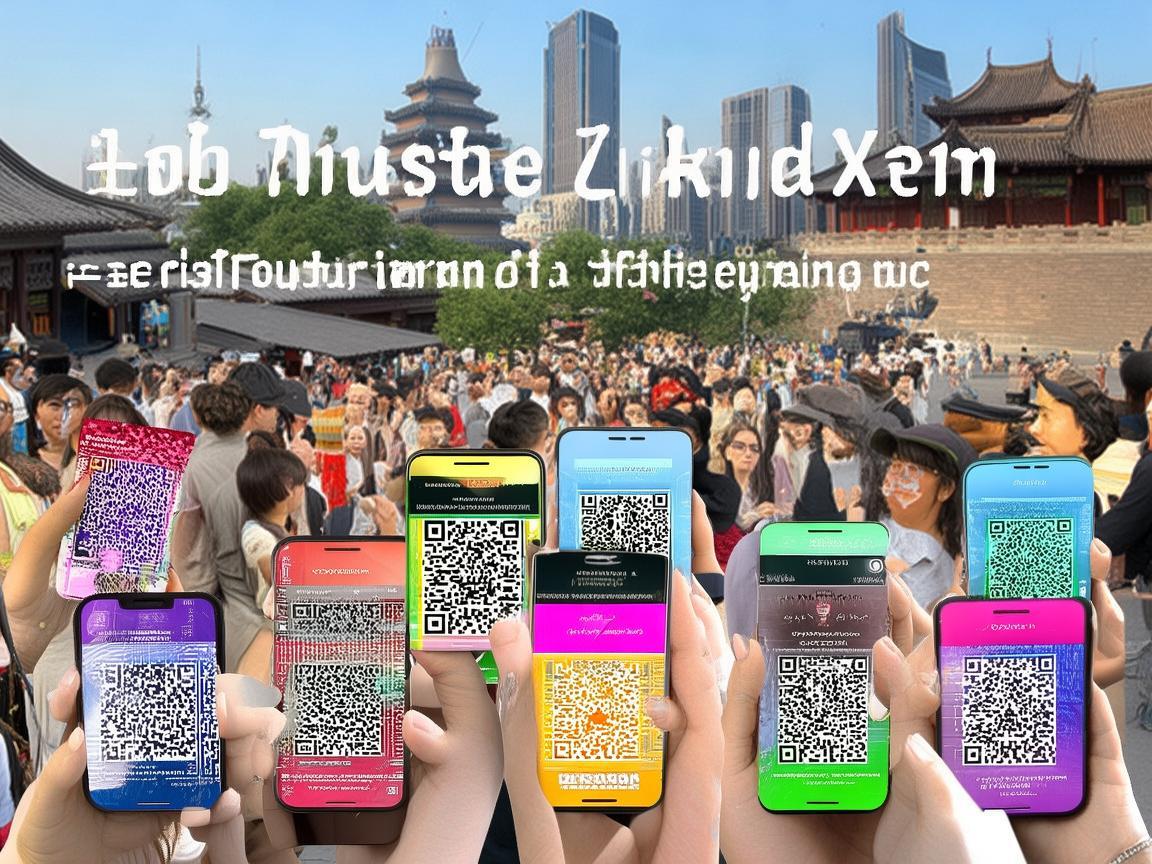
Navigating Xi’an with QR Codes: A Tourist’s Practical Guide
First Things First: Get Your QR Payment Apps Ready
Before you even think about visiting the Terracotta Army, sort out your digital wallet. In China, two apps rule the roost: WeChat Pay and Alipay. Think of them like PayPal, but way more ubiquitous—everywhere takes them, from street food stalls to five-star hotels.
How to Set Up (Without a Chinese Bank Account)
If you’re a foreign tourist, you can still use these apps! Here’s how:
- WeChat Pay: Open WeChat, go to “Me” → “Services” → “Wallet”. Tap “+” next to “Payment Methods” and select “Add Bank Card”. You’ll need to link an international credit/debit card (Visa, Mastercard, etc.). For extra security, you might need to verify your identity with a passport photo—follow the prompts, it’s straightforward.
- Alipay: Similar process. Open Alipay, go to “Me” → “Payment Methods” → “Add Bank Card”. Link your international card, and verify your account. Pro tip: Alipay has a “Tour Pass” feature for foreigners—you can preload it with RMB to avoid currency conversion fees each time you pay.
Why Both?
Some small vendors only use one (e.g., a street noodle stand might only have a WeChat code, while a mall shop only takes Alipay). Having both saves you from awkward “Sorry, I can’t pay” moments.
QR Codes in Action: Paying Like a Local
Once your apps are set up, you’ll notice QR codes everywhere. Here’s how to use them without sweating:
At Restaurants: Scan, Order, Pay
Xi’an’s food scene is legendary—biangbiang noodles, roujiamo (Chinese burgers), and lamb skewers are a must. But most mid-range to budget restaurants don’t have waiters taking orders. Instead, you’ll see a QR code on the table.
Here’s the drill:
- Open WeChat Pay or Alipay.
- Tap the “Scan” button (it’s usually the home screen icon).
- Aim your phone at the table’s QR code.
- A menu will pop up on your screen—browse, select dishes, and add them to your cart.
- Confirm the order, and pay directly from your app.
No more flagging down a waiter or trying to decipher handwritten bills! Bonus: Some restaurants offer discounts for paying via QR code (look for a “扫码立减” — “scan for instant discount” sign).
Personal fail story: At a Muslim Quarter restaurant, I accidentally scanned the kitchen’s QR code instead of the table’s. Suddenly, my phone showed “100 bowls of beef noodles ordered to Kitchen 3.” I panicked, but a waiter just laughed, canceled the order, and pointed to the correct table code. Phew!
Street Food: The “Show Your Code” Game
Street vendors in Xi’an are the heart of the city, but most don’t speak English and definitely don’t take cash. Their QR codes are usually stuck on a cardboard box or taped to their cart.
How to do it:
- Hold up your phone with the “Scan” screen open.
- The vendor will point to their QR code (they’re used to this!).
- Scan it, enter the amount (e.g., 10 RMB for a lamb skewer), and confirm.
- Done! They’ll hand over your food with a smile.
Pro tip: Keep small bills (10-20 RMB) in your wallet just in case—some super busy vendors might not have time to fiddle with phones, but this is rare. Also, check if the QR code is for WeChat or Alipay before scanning—no one wants to accidentally send money to the wrong person!
Transportation: QR Codes Beat Cash Every Time
Xi’an’s public transport is efficient, but buying tickets with cash is a hassle (long lines, language barriers). QR codes make it seamless.
Subway/Metro:
- Open WeChat Pay or Alipay and search for “乘车码” (chéng chē mǎ — “ride code”).
- Select “Xi’an Metro” and enable the QR code.
- At the station gate, just scan the code—no need to buy a physical ticket!
- It automatically deducts the fare (2-7 RMB depending on distance) when you exit.
Buses:
- Same as metro! Use the “乘车码” feature for buses. The driver will scan your phone as you board.
Taxis/Rideshares:
- For taxis, show the driver your destination in Chinese (use Google Translate beforehand)—most will accept QR payments, but some older drivers might prefer cash.
- For rideshares, Didi (China’s Uber) is your best bet. You can pay via WeChat Pay or Alipay within the app—no cash needed!
Pro move: Download a metro map app (like “MetroMan”) offline—Wi-Fi can be spotty in stations.
Beyond Payments: QR Codes for Tourist Perks
QR codes aren’t just for spending—they’re your ticket to smoother sightseeing.
Museums & Attractions: Skip the Lines
Xi’s top attractions, like the Terracotta Army and Big Wild Goose Pagoda, use QR codes for entry tickets. Here’s how to avoid the “ticket queue” nightmare:
- Book tickets on WeChat Mini Programs (search for the attraction’s name + “门票” — “tickets”). For example, “秦始皇陵博物院门票” (Terracotta Army Museum Tickets).
- Pay via WeChat Pay, and you’ll get a QR code ticket in your app.
- At the entrance, scan the code to enter—no paper ticket needed!
Bonus: Some attractions offer audio guides via QR code. Scan the code at the entrance, and you’ll get a narrated tour in English—way cheaper than hiring a human guide!
Tourist Information: QR Codes as Your Local Guide
At hotels, airports, and tourist centers, you’ll see QR codes for maps, event schedules, and travel tips. Scan them to:
- Get a free offline map of Xi’an (essential if you don’t have data).
- Find nearby restaurants, ATMs, and restrooms.
- Learn about cultural events (like the Tang Dynasty Show in the evening).
QR Code Pitfalls to Avoid
As much as QR codes make life easier, there are a few tourist traps to watch out for:
-
Fake QR Codes:
Scammers sometimes place fake QR codes over real ones (e.g., on a street cart, covering the vendor’s actual code). Always double-check that the QR code is from a legitimate source—if a price seems too good to be true (e.g., 1 RMB for a meal), it might be a scam. -
Wi-Fi Dependency:
If you rely on hotel Wi-Fi, you might be stuck without internet when you’re out and about. Buy a Chinese SIM card (from China Unicom or China Mobile at the airport—they have English-speaking staff) or get a portable Wi-Fi device. Data is cheap, and it’s worth it for peace of mind. -
Accidental Transfers:
Once, I accidentally sent 100 RMB to a stranger instead of the street vendor because I tapped the wrong button. Always confirm the recipient’s name and amount before paying! Most apps let you reverse small transfers within 2 hours—contact customer service immediately if you mess up.
My Top QR Code Hack: The “Emergency Cash” Backup
Even though QR codes are king, I learned to keep a small stash of cash (500-1000 RMB) for emergencies:
- Some rural areas or tiny villages might not accept digital payments.
- If your phone dies, you’re stuck—cash is your lifeline.
- Tipping: While not common in China, leaving a small cash tip at a nice restaurant is appreciated.
Final Thoughts: Embrace the QR Revolution
By the end of my trip, I was a QR code convert—paying for meals, buying metro tickets, and even ordering street food felt like second nature. Xi’an’s QR culture isn’t just about convenience; it’s about connecting with the city in a modern, efficient way. Sure, there’s a learning curve, but once you get the hang of it, you’ll spend less time stressing about logistics and more time soaking in the sights.
So, before you go to Xi’an, download WeChat Pay and Alipay. Trust me—your future self (standing in a long ticket line, wallet in hand) will thank you. Now go enjoy those biangbiang noodles—you’ve got this!
Xi’an Airport Transfer Service
Private English-speaking driver service in Xi’an operated directly by Bruce Zhang. 24/7 airport pickup and hotel transfer for foreign travelers.
Helpful for Your Trip in Xi’an
Xi’an: A Traveler’s Guide to Navigating China’s Ancient Capital Ecosystem
2026-06-03Navigating Xian Solo: A Practical, No-Nonsense Guide to China’s Ancient Capital
2026-06-03The Ultimate Xian Survival Guide: Terracotta Warriors, Street Food, and an Unexpected Park Journey
2026-06-03Xi’an: Where China’s Ancient Culture Welcomes You
2026-06-03Xi’an Unlocked: A Traveler’s Practical Access Solutions
2026-06-02Xi’an Travel: A Tourist’s Guide to Navigating Ticket Control in China
2026-06-02Xi’an Travel: A Practical Guide for Tourists – Attractions, Services & Entry Tips
2026-06-02Traveling Xi’an Like a Local: How China Ticket Platforms Made My Trip Seamless
2026-06-02Xi’an Travel Tips: How to Use the Emergency Entry System at Top Attractions (Without Panic!)
2026-06-02Navigating Xi’an’s Access Control Systems: A Traveler’s Practical Guide
2026-06-02